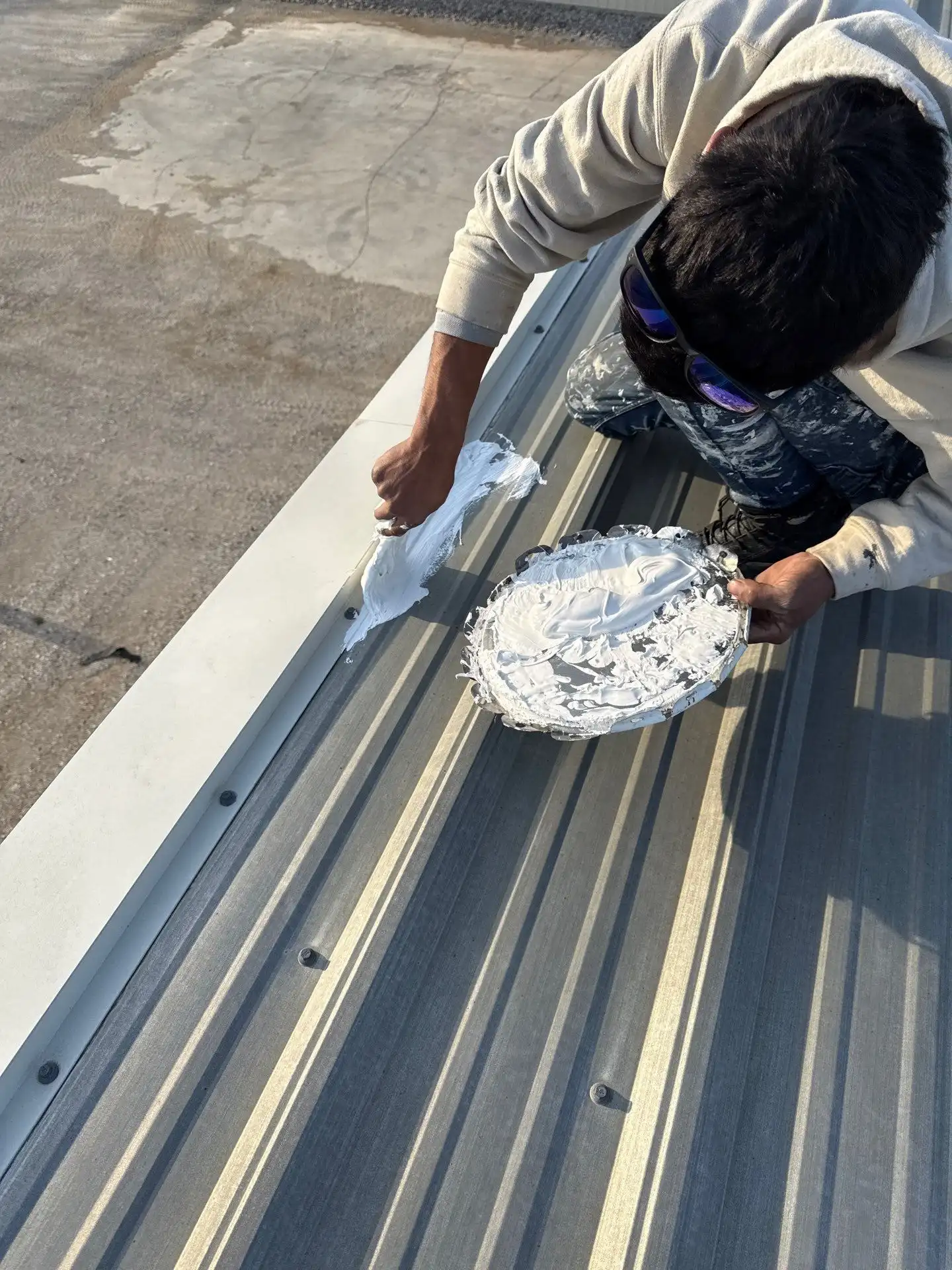
Why TPO Variables Matter More Than the Brand on the Box
Most building owners in Chesterfield assume that picking a TPO manufacturer is the big decision. It is not. The membrane chemistry across the major manufacturers is similar enough that the warranty paperwork matters more than the polymer itself. What truly drives the installed cost, the leak risk over the next 20 years, and the energy performance of your roof is a handful of specification choices made before the first roll is unloaded: membrane thickness, attachment method, insulation R-value, cover board, and the seam and flashing details. A 60-mil mechanically attached TPO over polyiso with no cover board is a completely different roof than an 80-mil fully adhered system over polyiso plus a half inch HD cover board, even though both might be called "a TPO roof" in casual conversation.
Before we get to the comparison table, it helps to understand how these choices interact with Chesterfield weather. Freeze thaw cycles, summer heat that pushes membrane surface temps past 160 degrees, and the occasional hailstorm all stress the seams and the field of the membrane. Thicker membranes resist hail and foot traffic better. Fully adhered systems handle wind uplift more predictably on tall or exposed buildings. Cover boards protect against punctures from hail and from the HVAC techs who will inevitably walk your roof. None of these upgrades are free, but skipping the wrong one tends to show up as a leak call five to eight years in, which is exactly the kind of problem our commercial roof repair team ends up chasing.
The Core Comparison: TPO Installation Variables Side by Side
The table below lays out the choices we walk every Chesterfield client through during a free inspection. Treat the cost ranges as installed pricing for a typical mid size commercial building, not raw material cost. Lifespan assumes the rest of the system is specified correctly and the roof is inspected periodically.
| Variable | Budget Option | Mid-Range | Premium | Installed Cost Impact | Lifespan Impact |
|---|---|---|---|---|---|
| Membrane Thickness | 45-mil | 60-mil | 80-mil | +$0.40 to $1.10 per sq ft | 15 vs 20 vs 25+ years |
| Attachment Method | Mechanically attached | Induction welded | Fully adhered | +$0.75 to $2.25 per sq ft | Affects wind, not lifespan |
| Insulation (Polyiso) | R-20 single layer | R-25 two layers staggered | R-30 plus tapered | +$1.00 to $3.50 per sq ft | Energy savings, not membrane life |
| Cover Board | None | 1/4" HD coverboard | 1/2" gypsum coverboard | +$0.50 to $1.25 per sq ft | Major hail and puncture benefit |
| Seam Width | 1.5" hot air weld | 2" hot air weld | 2" plus seam plates | Labor cost only | Largest single leak factor |
| Edge Metal | Standard drip | ANSI/SPRI ES-1 tested | Custom fabricated | +$3 to $12 per linear ft | Wind warranty driver |
Reading this table left to right tells you something important: the cheapest version of every line item, stacked together, produces a roof that might leak before year 10 and will not qualify for a meaningful manufacturer warranty. The premium version of every line item, stacked together, produces a roof that often outlasts the building's next ownership cycle but can double the installed cost. The sweet spot for most Chesterfield commercial buildings sits in the mid range column, with selective upgrades where the building's exposure justifies them.
What the Numbers Actually Mean for Your Building
The implication of the comparison above is that two contractors can both quote you "a TPO roof" and be $40,000 apart on a 20,000 square foot building without either of them lying. The cheaper bid usually skips the cover board, drops to 45-mil, uses single layer insulation, and assumes mechanical attachment will be acceptable for wind uplift. That bid is not wrong for every building. A low one story warehouse with little roof traffic and modest wind exposure can do well with that specification. A taller building near open ground, or one with heavy HVAC traffic, almost certainly cannot.
The seam width row deserves a closer look because it costs nothing in materials and yet drives more long term claims than any other variable in the table. A 1.5-inch weld done by a tired crew on a windy October afternoon in Chesterfield is the single most common origin point for leaks we trace during forensic inspections. A 2-inch weld with consistent probe testing every ten feet roughly doubles the redundancy at the most vulnerable point on the roof. When you read a bid, ask the contractor what their seam probe protocol is and how often they pull a destructive test sample. A vague answer there tells you more about the install quality than any brochure will.
Process and Timeline Expectations
Once specifications are locked, a typical 20,000 to 40,000 square foot TPO replacement in Chesterfield runs about two to three weeks of on site work, weather permitting. The sequence is predictable: tear off and deck inspection first, then any deck repairs, followed by insulation, cover board if specified, membrane field sheets, perimeter and penetration flashings, and finally edge metal and terminations. We dry in each day's section before crews leave the roof so an evening thunderstorm cannot turn into an interior loss. Manufacturer inspections happen near the end, and the warranty paperwork is filed once the punch list closes.
This is why our process at Chesterfield Metal Roofing starts with a free inspection rather than a phone quote. We measure the deck, check existing insulation moisture with a meter, look at the parapets and penetrations, and ask how the building is used. If the existing membrane has more life than the bid suggests, we will say so. If a coating makes more sense than a replacement, we will explain that math too. Severity is assessed during the inspection or on the phone if there is an active leak, and tarping and dry in are prioritized so the building stays protected while the real specification is finalized. For owners weighing membrane choices specifically, our breakdown of TPO versus EPDM versus PVC covers the chemistry trade offs the table above intentionally skips.